
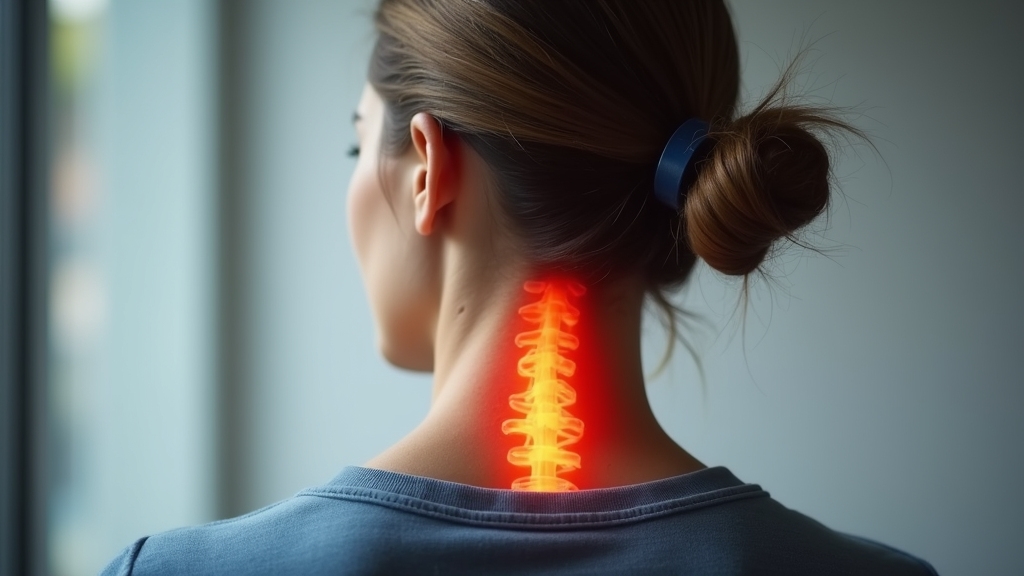
Forward head posture (FHP) often goes unnoticed, but it can lead to serious neck pain and discomfort. This position strains your muscles, disrupts spinal alignment, and may result in tension headaches and fatigue. Factors like excessive device use, poor ergonomics, and stress contribute to FHP. By improving your posture and understanding its effects, you can alleviate chronic pain. Discover more about managing this condition and the simple steps you can take to improve your neck health.
Key Takeaways
- Forward Head Posture (FHP) misaligns the spine, leading to increased muscle tension and discomfort in the neck region.
- Common symptoms of FHP include neck pain, stiffness, and tension headaches, impacting daily activities and productivity.
- Prolonged use of electronic devices and poor ergonomic setups are primary contributors to developing FHP.
- Regular self-assessment and stretching exercises can help identify and alleviate discomfort associated with FHP.
- Seeking professional help is crucial if experiencing chronic pain or symptoms that affect daily life significantly.
What Is Forward Head Posture and Why It Matters?

Forward Head Posture (FHP) is a common issue where your head juts forward relative to your spine, creating an unnatural alignment. This condition often results from extended periods of looking down at screens or slouching.
Understanding FHP’s definition overview is vital because it highlights the importance of maintaining proper posture. When your head is misaligned, it can lead to muscle strain, discomfort, and even chronic neck pain.
Posture’s importance goes beyond aesthetics; it affects your overall health and well-being. Poor posture can contribute to tension headaches, fatigue, and even respiratory issues.
By being aware of FHP, you can take steps to correct your alignment and prevent further complications. Simple changes, like adjusting your workstation or practicing neck stretches, can make a significant difference.
What Causes Forward Head Posture?

Several factors contribute to the development of Forward Head Posture, often stemming from modern lifestyle habits. One of the primary causes of FHP is the excessive use of electronic devices. When you’re staring down at your phone or computer screen for long periods, your head naturally shifts forward, straining your neck muscles.
Poor ergonomic setups at work can also play a significant role; if your monitor’s too low or your chair’s not supportive, you might find yourself leaning forward. Additionally, habits like slouching while sitting or even sleeping in awkward positions can lead to FHP over time.
Stress can tighten your neck and shoulder muscles, further pushing your head forward. Understanding these lifestyle factors is essential for addressing FHP before it leads to more severe neck issues. By recognizing these causes, you can start making necessary changes to improve your posture and overall health.
How Forward Head Posture Affects Your Neck Health
Forward head posture can seriously impact your neck health in several ways.
It often leads to increased muscle tension, disrupts your spinal alignment, and can even cause nerve compression issues.
Understanding these effects is key to addressing your neck pain effectively.
Increased Muscle Tension
As you tilt your head forward, the muscles in your neck and upper back work overtime to compensate for the misalignment. This constant strain leads to increased muscle tension, which can result in muscle fatigue over time.
You might find that simple tasks become exhausting as these muscles struggle to hold your head in the correct position. Additionally, the tension can trigger frequent tension headaches, making it difficult to focus on daily activities.
Ignoring this issue won’t help; instead, you need to address the root cause of your forward head posture. By becoming aware of your posture and taking steps to correct it, you can reduce muscle tension and improve your overall neck health.
Disrupted Spinal Alignment
When your head shifts forward, it disrupts the natural alignment of your spine, leading to a cascade of issues that can harm your neck health.
This misalignment alters your spinal curvature and can result in various problems. To understand the impact, consider the following:
- Increased Strain: Your neck muscles must work harder to support the weight of your head, causing fatigue and discomfort.
- Loss of Mobility: A misaligned spine can restrict your neck’s range of motion, making daily activities challenging.
- Alignment Correction Difficulty: Correcting your posture becomes harder as habitual forward head posture reinforces these misalignments.
Nerve Compression Issues
Nerve compression issues often arise from the misalignment caused by forward head posture, leading to significant neck health concerns.
When your head shifts forward, it places extra pressure on the nerves in your neck. This pressure can result in pain, tingling, or weakness in your arms and shoulders. You mightn’t realize how much your posture affects your overall well-being until these symptoms appear.
By focusing on posture correction, you can alleviate nerve compression and improve your neck health. Simple exercises and mindful adjustments throughout your day can help realign your spine.
Pay attention to how you hold your head while sitting or standing, as these small changes can make a big difference in relieving discomfort and restoring balance.
Signs and Symptoms of Forward Head Posture
You might notice several signs of forward head posture, like neck pain or stiffness.
Pay attention to your posture throughout the day, as it can affect how you feel during daily activities.
Recognizing these symptoms early can help you take steps to improve your neck health.
Common Physical Symptoms
Forward head posture (FHP) often brings a range of physical symptoms that can considerably impact daily life.
You mightn’t realize how much it affects you until you notice these signs:
- Neck Pain: Constant strain on your neck muscles can lead to persistent discomfort and stiffness.
- Shoulder Tension: Muscle imbalances caused by FHP may result in tightness and pain in your shoulders.
- Headaches: Poor posture can contribute to tension headaches, making it harder to concentrate.
Improving your posture awareness is essential to alleviate these symptoms.
By recognizing the signs of FHP and addressing muscle imbalances, you can start taking steps towards better posture and overall well-being.
Don’t ignore these signals—your body is trying to tell you something important!
Postural Indicators to Watch
Postural indicators of forward head posture (FHP) can be subtle yet revealing. If you notice your head juts forward of your shoulders, that’s a key sign.
Pay attention to your neck; tightness or discomfort may accompany this misalignment. You might also observe rounded shoulders or an increased curvature in your upper back.
Regular alignment evaluation is essential—check your posture throughout the day. Are your ears aligned with your shoulders? Maintaining postural awareness can help you identify these signs early.
If you find yourself leaning toward screens or your chin sticking out, take action. Adjusting your habits now can prevent further issues down the line.
Simple adjustments can lead to significant improvements in your overall posture and comfort.
Impact on Daily Activities
Noticing those postural indicators can lead to a deeper understanding of how forward head posture (FHP) affects daily activities.
You might experience daily discomfort that disrupts your routine and overall well-being. Recognizing these signs can help you make necessary lifestyle adjustments.
Here are three common impacts of FHP on your daily life:
- Neck Pain: Persistent pain can limit your ability to perform simple tasks like turning your head.
- Headaches: Tension headaches can become a frequent nuisance, affecting concentration and productivity.
- Fatigue: Poor posture often leads to muscle fatigue, making it harder to stay active throughout the day.
Being aware of these effects can motivate you to seek solutions and improve your quality of life.
The Link Between FHP and Chronic Pain
When you slouch or lean your head forward, you may unknowingly set the stage for chronic neck pain. This common posture, known as Forward Head Posture (FHP), can lead to a range of FHP effects that exacerbate discomfort over time.
The misalignment places extra strain on your neck muscles and spine, leading to chronic discomfort that can radiate into your shoulders and upper back. As your muscles work harder to support your head, they can become tight and fatigued, increasing your pain levels.
You mightn’t even notice the gradual buildup of tension until it becomes unbearable. Ignoring these signals can prolong your suffering, making it vital to recognize the link between FHP and chronic pain.
Quick Self-Check for Forward Head Posture
Recognizing the signs of Forward Head Posture (FHP) is the first step in addressing the chronic pain it can cause.
You can use these simple self-assessment techniques to evaluate your posture awareness:
- Wall Test: Stand with your back against a wall. Your head, shoulders, and heels should touch the wall. If your head juts forward, you may have FHP.
- Mirror Check: Stand in front of a mirror. Observe your ear position relative to your shoulder. If your ears are in front of your shoulders, that indicates FHP.
- Finger Test: While sitting, extend your arm straight out. Your fingers should align with your shoulder. If you have to lean forward to see your fingers, that’s a sign of FHP.
Simple Stretches to Ease FHP
Simple stretches can greatly alleviate the discomfort caused by Forward Head Posture (FHP).
Start with neck stretches that target tight muscles. Gently tilt your head to one side, bringing your ear toward your shoulder. Hold for 15-30 seconds, then switch sides. This helps release tension in your neck.
Next, try a chin tuck. While sitting or standing, pull your chin back, keeping your eyes forward. Hold for a few seconds. This mobility exercise helps realign your head over your spine, reducing strain.
Finally, incorporate shoulder rolls into your routine. Roll your shoulders forward and backward in a circular motion to enhance mobility and relax tight muscles.
Doing these simple stretches regularly can considerably improve your comfort and mobility.
Strengthening Your Neck and Shoulder Muscles
To effectively combat Forward Head Posture (FHP), strengthening your neck and shoulder muscles is essential. Incorporating targeted neck exercises and shoulder strengthening routines can help restore balance and alleviate discomfort.
Here are three effective exercises to take into account:
- Chin Tucks: Sit or stand tall, gently tuck your chin towards your chest, and hold for a few seconds. Repeat 10-15 times.
- Shoulder Shrugs: Raise your shoulders towards your ears, hold for a moment, and then relax them down. Perform 10-15 repetitions.
- Wall Angels: Stand against a wall with your back flat. Slowly raise your arms in a “W” position, sliding them up into a “Y,” and then back down. Complete 10 repetitions.
Ergonomic Tips to Prevent Forward Head Posture
While many people overlook the importance of ergonomics, making adjustments in your workspace can greatly reduce the risk of developing Forward Head Posture (FHP).
Start by creating an ergonomic workstation: adjust your chair height so your feet rest flat on the ground, and guarantee your monitor’s top edge is at eye level. This keeps your neck aligned and reduces strain.
Creating an ergonomic workstation is essential; ensure your chair height and monitor level support proper neck alignment.
Next, practice posture awareness throughout your day. Regularly check in with your body, especially during prolonged tasks. If you find yourself leaning forward, take a moment to realign your head over your shoulders.
Incorporate breaks into your routine—stand up, stretch, and move around every hour. This won’t only help maintain good posture but also refresh your mind.
When to Seek Help for FHP-Related Neck Pain?
Even with proper ergonomic adjustments and posture awareness, some individuals may still experience persistent neck pain related to Forward Head Posture (FHP).
Knowing when to consult a healthcare provider for a professional assessment can make a significant difference in your recovery. Here are three key indicators that it’s time to seek help:
- Chronic Pain: If your neck pain lasts longer than a few weeks despite self-care efforts.
- Radiating Symptoms: If you experience numbness, tingling, or weakness in your arms or hands.
- Impact on Daily Life: If your neck pain interferes with your ability to perform everyday activities or affects your sleep.
Don’t hesitate to reach out for a professional assessment when these symptoms arise.
Early intervention can lead to more effective treatment and a quicker return to your normal routine.
Frequently Asked Questions
Can Forward Head Posture Affect My Breathing?
Yes, forward head posture can lead to breathing difficulties. When you’re unaware of your posture, it can compress your airways, reducing lung capacity. Staying mindful of your posture can greatly improve your breathing quality.
Is Forward Head Posture Hereditary?
Yes, forward head posture can be influenced by genetic factors, but your posture habits play a vital role too. By being mindful of how you hold your head, you can improve your alignment and overall health.
How Long Does It Take to Correct FHP?
It usually takes several weeks to months to correct forward head posture, depending on your commitment to correction techniques. Stick with exercises and stretches consistently, and you’ll likely see improvements in your recovery timeline.
Are There Specific Age Groups More Affected by FHP?
Yes, children’s health can be impacted as they often use screens excessively, while the elderly population may develop FHP due to age-related changes. Both groups need awareness and proactive measures to improve their posture.
Can Forward Head Posture Lead to Headaches?
Yes, forward head posture can lead to headaches. It often contributes to tension headaches and can trigger migraines due to muscle strain and nerve irritation. Correcting your posture may help alleviate these issues effectively.
Final Thoughts
Forward head posture may seem like a small habit, but over time it can quietly create significant strain, neck pain, and tension headaches. By understanding what causes FHP and recognizing the early signs—like a head that juts forward, tight shoulders, or frequent discomfort—you can take proactive steps to protect your neck health. Simple daily changes, including targeted stretches, strengthening exercises, and better ergonomics, can go a long way toward restoring healthier alignment and reducing chronic pain.
You don’t have to address forward head posture on your own. At Insight Chiropractic, we look at how your spine, posture, and overall function work together, using thorough exams and customized chiropractic care to identify and correct the underlying issues contributing to FHP. Your personalized plan may also include posture-focused lifestyle recommendations, therapeutic massage, and supportive therapy to relieve muscle tension and support long-term alignment. To learn more about who we are and how we help patients with neck and posture-related concerns, visit our About Us, Meet the Team, and Why Us pages.
If you’re noticing persistent neck pain or signs of forward head posture, now is the time to take action. Schedule your initial visit so we can assess your posture, discuss your symptoms, and create a tailored plan to help you realign, feel better, and move with more ease. You can conveniently book an appointment online and take the next step toward healthier posture and lasting neck relief.