Find Out What Is Causing Your Back Pain
If you're dealing with back pain, a chiropractor can definitely help. The first step is figuring out what's actually causing it, since a pulled muscle, a stiff joint, and a disc issue all need different kinds of care.
Home / Conditions / Back Pain
Dr. Michael Cox is a Doctor of Chiropractic and co-founder of Insight Chiropractic in Ormond Beach. He graduated cum laude from Palmer College of Chiropractic's Florida campus in 2023. Years earlier, doctors told him he would never walk unassisted, and he worked his way back to a normal life without a cane or brace. That's what led him to chiropractic.
Yes, a chiropractor can help with a lot of back pain that comes from muscles, joints, and ligaments, but not every kind.
In its 2017 guideline, the American College of Physicians, a large national doctors' group, listed spinal manipulation as one of the first things to try for low back pain, before pain medicine. That applied to both new and long-lasting back pain. A chiropractic adjustment is one kind of spinal manipulation. Dr. Cox's view is that your body does the healing, and a chiropractic adjustment clears away what's slowing that healing down. However, some back pain won't get better with a chiropractic adjustment, and a medical doctor is needed to evaluate the situation to see what is causing your back pain.
If your back pain matches one of the signs below, and you have no emergency signs such as a fever or new trouble controlling your bladder or bowels, a chiropractor is a good place to start. Dr. Cox sees chiropractic as the first care to try for these, and he sorts them into five groups. Look for your back pain in the lists below.
Chiropractic is ideal for moving bones to reduce severely pinched nerves causing numbness, tingling, and weakness in the legs.
Leg weakness that starts suddenly or gets worse quickly, or loss of balance that starts suddenly, is an emergency. Go to the ER right away instead.
Dr. Cox says a medical doctor is the next step if chiropractic care hasn't helped in about two weeks.
Go straight to the ER if your back pain comes with any of the emergency signs below, because a chiropractor shouldn't treat those. Mayo Clinic also lists signs to have a doctor check soon.
Seek emergency care right away if your back pain:
When your back pain comes from serious trauma, such as started after a serious accident, like a car crash, a hard fall, or a sports injury, go to the ER first and get appropriate imaging.
Once cleared of red flags such as fracture, a chiropractor is ideal for treating many serious injuries resulting from trauma.
Other cases to see a doctor soon if your back pain:
Spinal manipulation shouldn't be used on a part of the body with a broken bone, a bone tumor, a bone or joint infection, or severe arthritis.
Osteoporosis (thin, weak bones) should be identified early, and very low force chiropractic techniques should be used with these patients.
Dr. Cox has two warning clues of his own. Back pain that gets worse when you urinate can point to the kidneys. Skin over the sore spot that's hot, red, and itchy can point to an infection. Either one means you should seek care from a medical doctor, not a chiropractor.
This is part of why Dr. Cox examines before he treats. If what he finds needs a medical doctor, he'll tell you.
Back pain can come from a muscle, a ligament, a joint, a disc, or a nerve. How it started is often the biggest clue to which one, so Dr. Cox starts there, with what you noticed, before he touches your back.
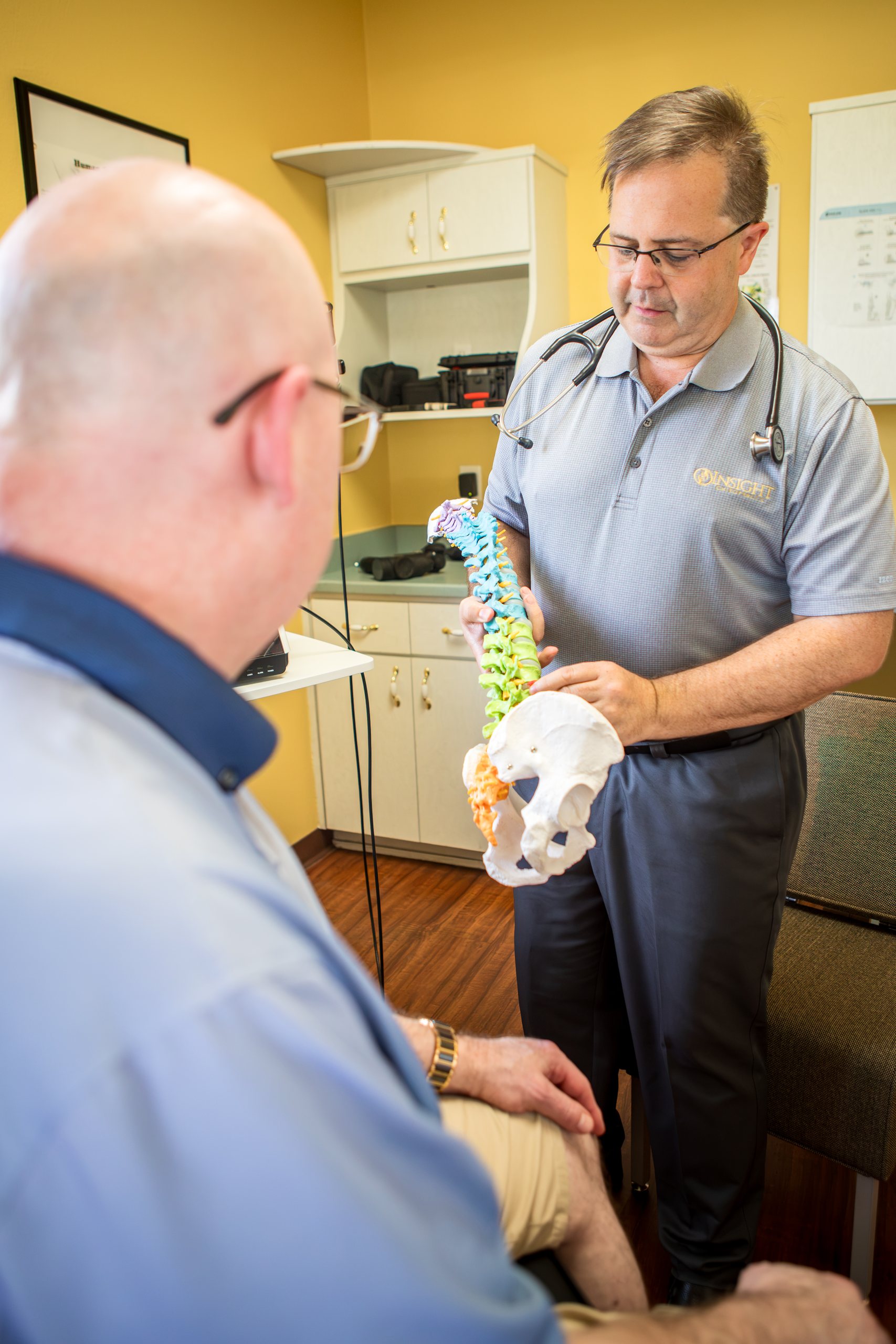
These are the clues Dr. Cox listens for when patients come to Insight Chiropractic:
| What You Notice | What It Can Point To |
|---|---|
| "I sit at work all day, and it just keeps getting worse." | Often points to joints shifted out of line from poor posture, plus strained muscles. |
| "I was lifting, or playing a sport, or got hit, and I heard or felt a pop." | Often points to a ligament, one of the tough bands that hold your bones together. |
| "My job has me bending all day. I reached for something and felt a sharp pain." | Can point to a muscle and a ligament, and often a joint too. |
| "It hurts when I cough or sneeze." | Can point to a disc, the cushion between the bones of your spine. |
| "I get tingling, numbness, or pain down my leg." | Often points to a nerve. Many people know this one as sciatica. |
| "My foot dropped into a little hole, and now my back aches right here." | Often points to a bone out of line. |
A clue isn't a diagnosis. The exam confirms what's going on. Many people have more than one thing happening at once. Older adults often have a few old problems they've lived with for a while, then a new one on top that finally brings them in.
Your first visit to Insight Chiropractic is mostly about finding out what's causing your back pain. That happens through a conversation and a hands-on exam.
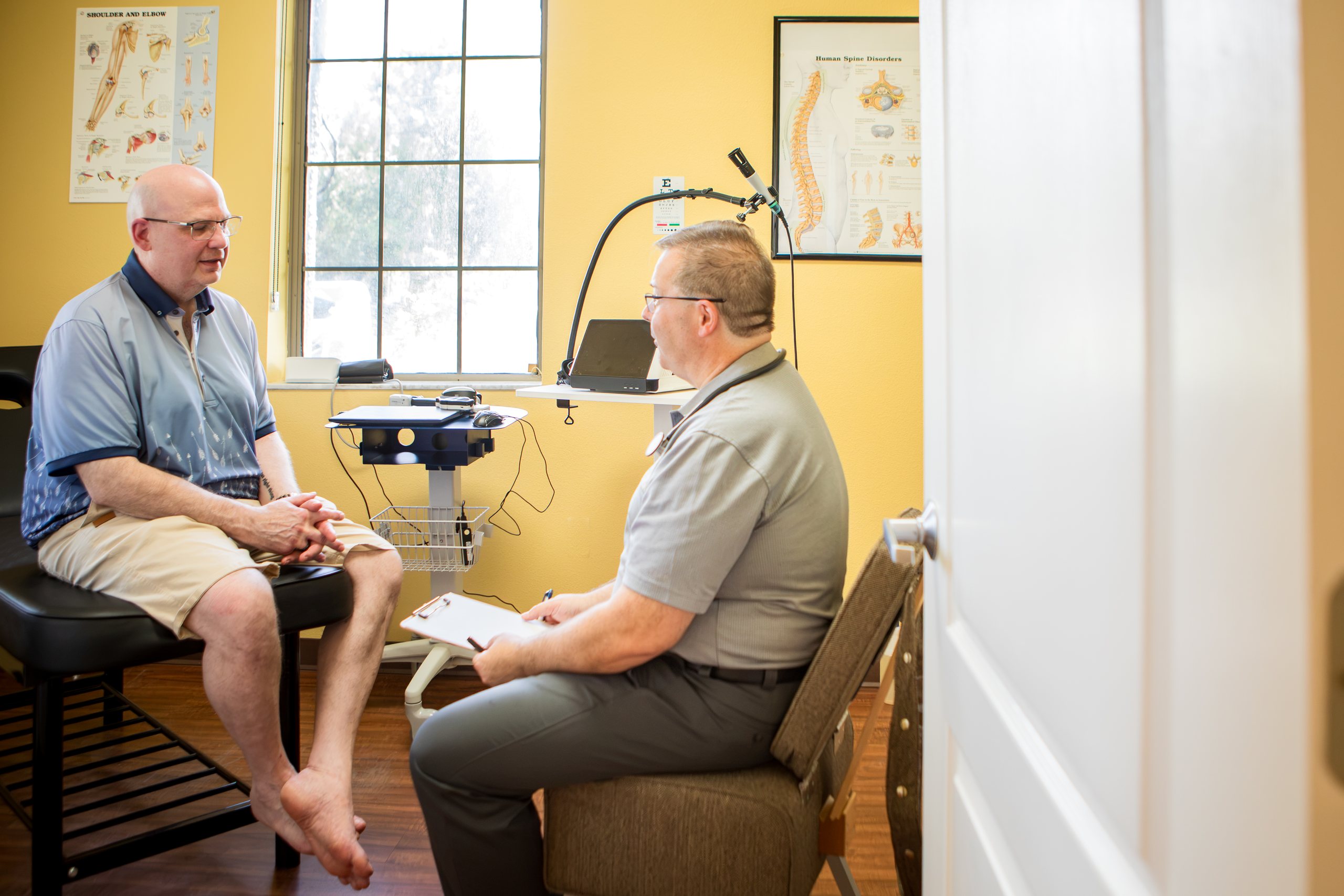
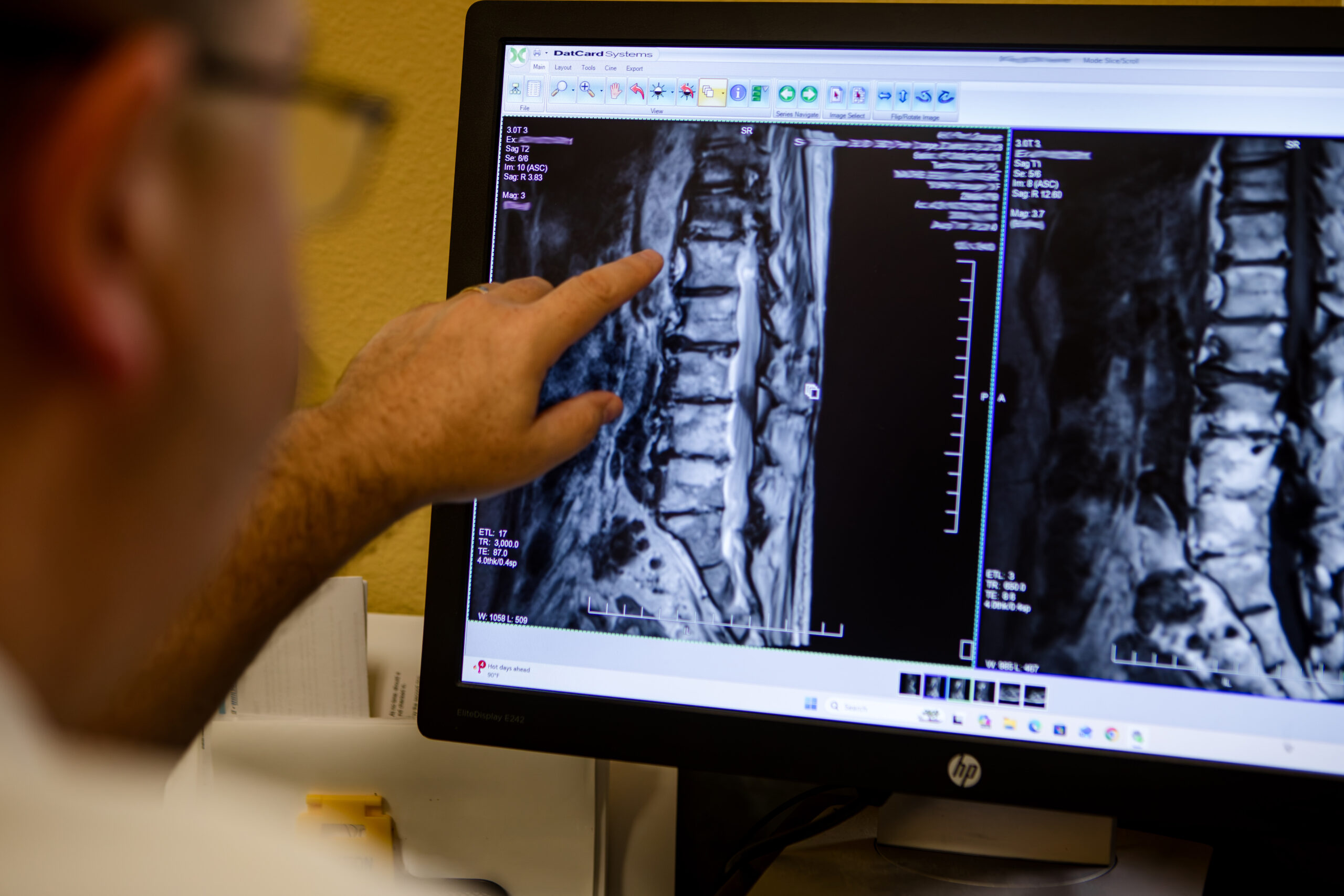
By the end, Dr. Cox knows which part of your back is involved (muscle, ligament, joint, disc, or nerve), so the treatment plan fits the problem.
If nothing in the exam rules it out, treatment can start that same day. At your next appointment, Dr. Cox goes over a complete treatment plan with you.
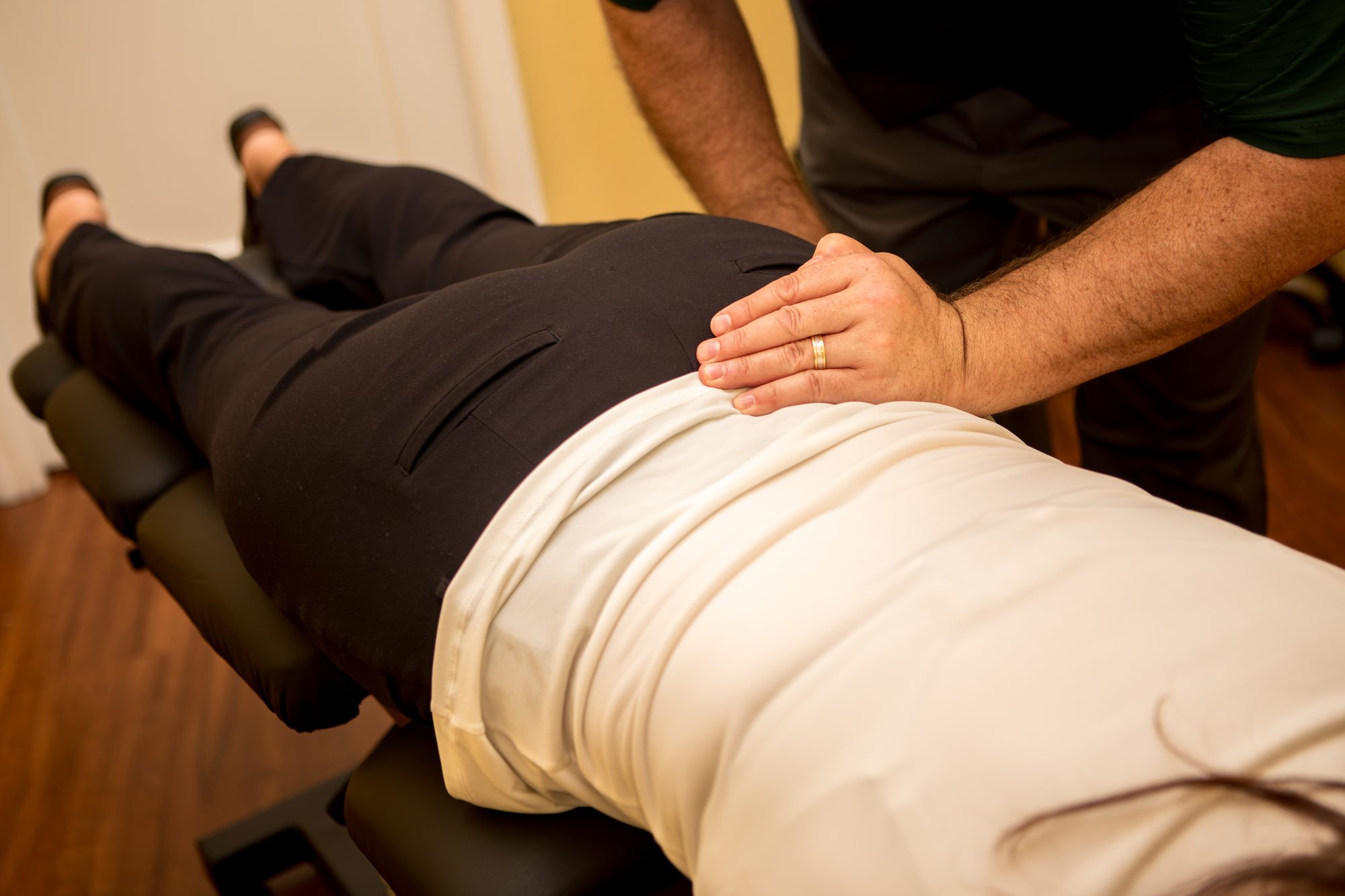
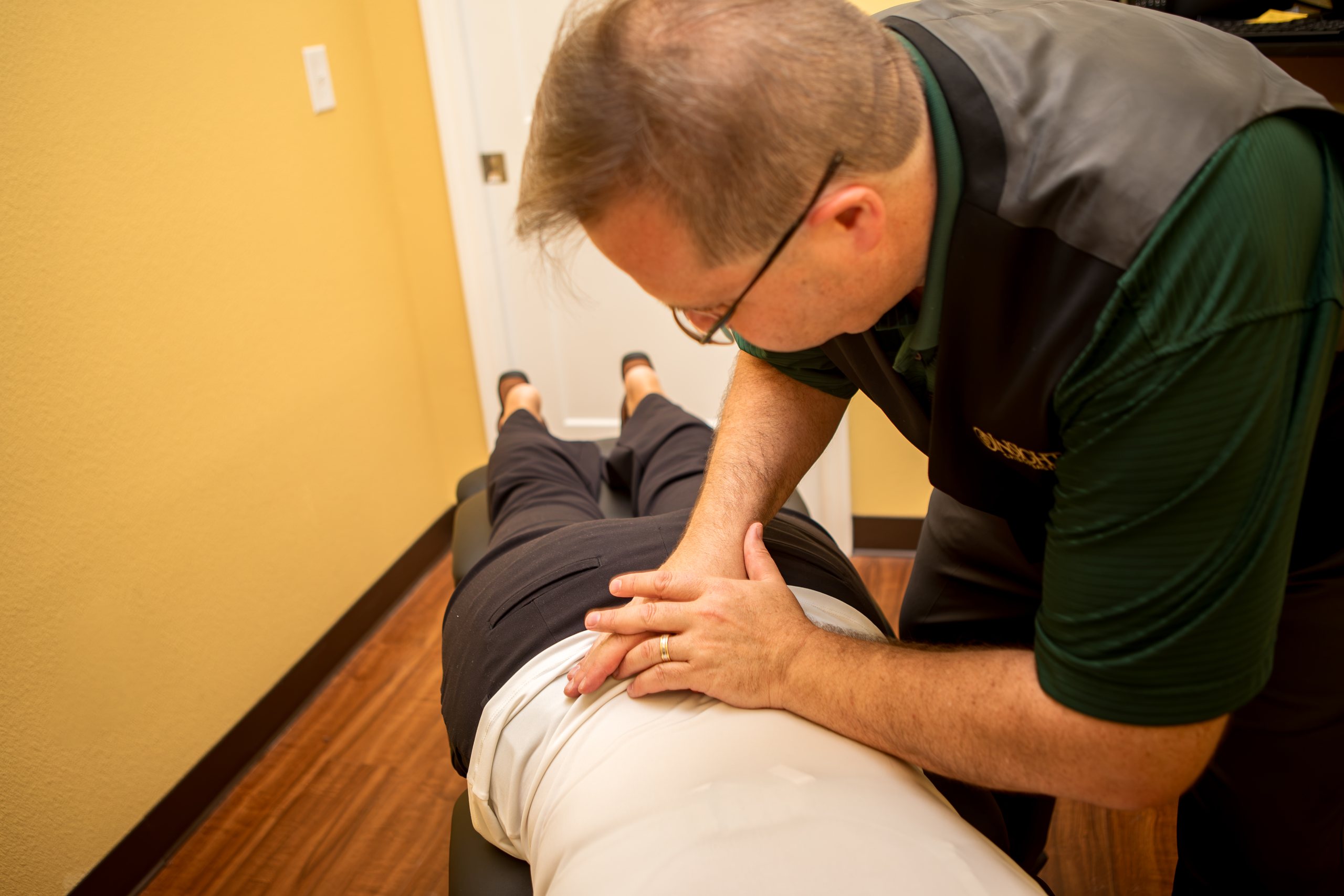
Dr. Cox adjusts almost every patient unless the exam turns up a warning sign. He adds other treatment based on which part of the back is involved.
He compares the adjustment to electrical work. Your nervous system carries signals between your brain and your body, a bit like the wiring in your house. A chiropractor works like an electrician. As he puts it, "We move the bony parts to get them off your nerves." In his view, that clears the way so your body can get on with healing.
Dr. Cox matches each treatment to what he finds during the exam:
| What the Exam Finds | What Dr. Cox Uses |
|---|---|
| Joints or bones out of line | The chiropractic adjustment itself |
| Disc problems | Spinal decompression (meant to take pressure off nerves that are causing pain) and a table that gently stretches your lower back, called flexion distraction |
| Muscle spasms | Electrical stimulation, a mild current applied to the muscle |
| Stubborn, scarred, or stuck spots | Shockwave therapy, plus work with his hands or a smooth tool to loosen the area |
| Sprained ligaments | Hands-on work around the ligament and supportive taping |
| Quick pain relief | Laser therapy |
| Poor circulation in an area | Red light therapy |
| Some nerve problems | Gentle nerve-gliding exercises |
| Tight or weak muscles | Specific stretches and exercises for those muscles |
| New injuries | Cold packs in the first 72 hours to calm swelling, then heat later to relax tight muscles |
How long your back pain takes to get better with chiropractic care, and how many visits you'll need, depends on three things:
Everyone's body heals and responds to chiropractic care differently.
For most people, yes, chiropractic care is safe. Some people feel achy, stiff, or tired for a few days after an adjustment, but the adjustment itself shouldn't hurt.
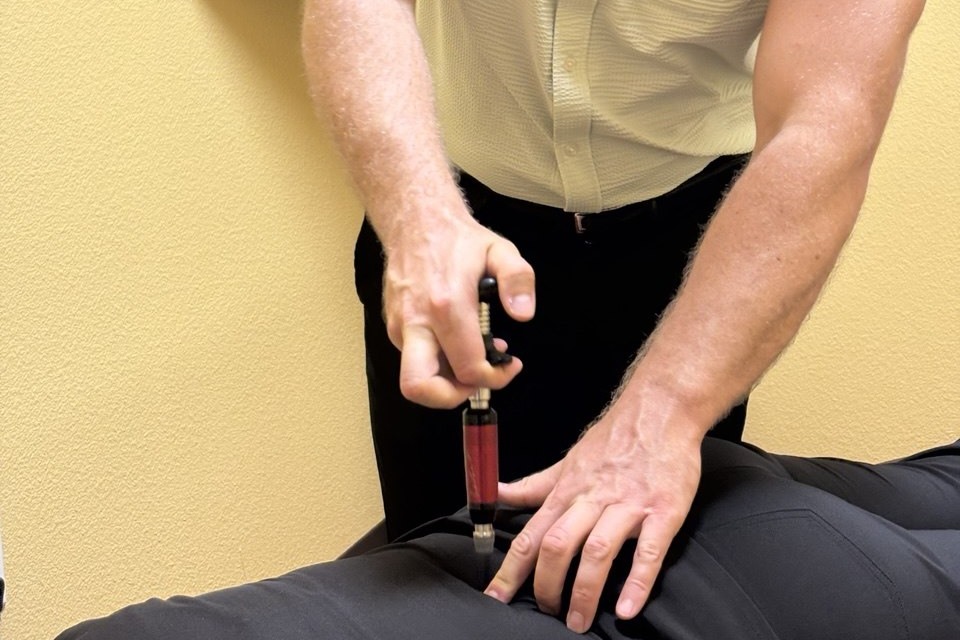
Every person is unique. Dr. Cox has mastered seven techniques, each appropriate for different people’s present conditions. These techniques range from standard High Velocity Low Amplitude manual adjusting to low force Activator and very low force Sacral Occipital techniques. He modulates the force of the technique to the person’s condition, increasing safety and reducing risk.
In rare cases, spinal manipulation can make a condition worse. That's why Dr. Cox screens for higher-risk problems, like a broken bone or severe osteoporosis, before he adjusts.
Choose a chiropractor who finds out what's causing your pain before treating it, and who explains it to you in words you understand. Ask these five questions at any office you're considering:
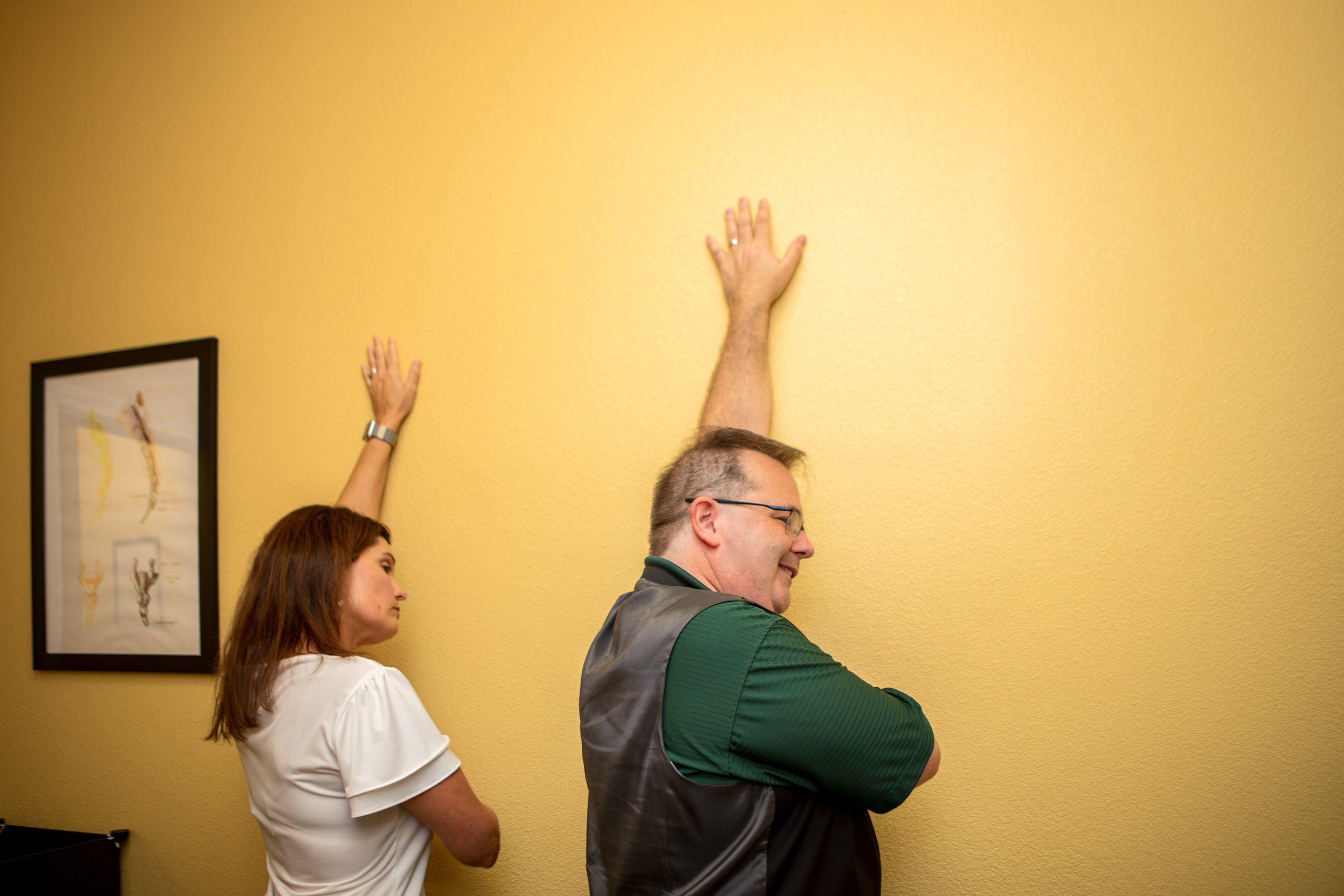
In Dr. Cox's words: "Most chiropractors are technicians. They can move a bone, but they can't tell you why it was out of place."
Often, yes. Insight Chiropractic works with insurance, but benefits vary from plan to plan, so check two places: call the office at 386-868-1471, and call your insurance company to ask about your chiropractic benefits.

New patients
Don’t let back pain keep you from the things you enjoy. Dr. Cox will take the time to listen to your concerns, evaluate your symptoms, and discuss care options based on your needs. Ready to take the next step? Same-day appointments are available. Call 386-868-1471 or book online.