Care From a Team That Knows Service
Our team includes a Navy veteran chiropractor and a former nurse case manager for wounded service members. We treat back, neck, joint and nerve pain without drugs.
Home / Who We Serve / Veterans
US veterans often carry unique physical and mental demands from their service: injuries from combat, repetitive stress from training, or long periods of physical strain, any of which can turn into chronic pain and reduced mobility. Chiropractic care matters for this group because it offers non-invasive, drug-free treatment for neuromusculoskeletal problems. Realigning the spine and joints relieves pain and restores nerve and motor function, which gives mobility back. Disability can be reduced and independence improved without relying on medications that carry side effects or dependency risks.
The physical demands of military service, combined with the stress of transitioning to civilian life, can make joint degeneration and nerve compression worse. That affects a veteran's ability to do ordinary things and to stay as active as they want to be. Adjustments tailored to the individual reduce pain and inflammation, improve range of motion and mobility, and support overall wellness, which is a practical way to manage service-related injury for the long term.
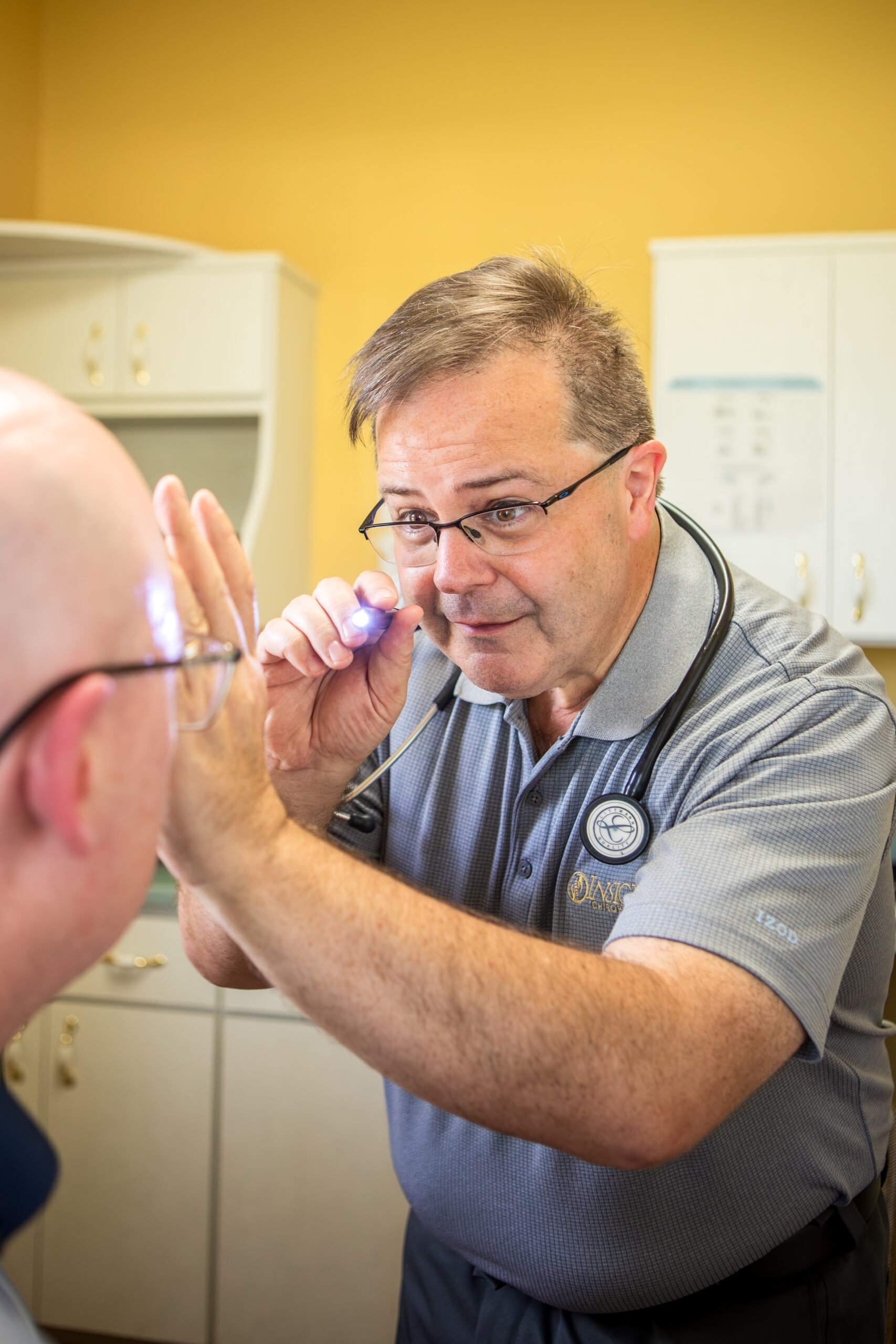
Dr. Christopher Fencl, D.C. studied at the University of Notre Dame and then served seven years as a Naval submarine officer before he became a chiropractor.
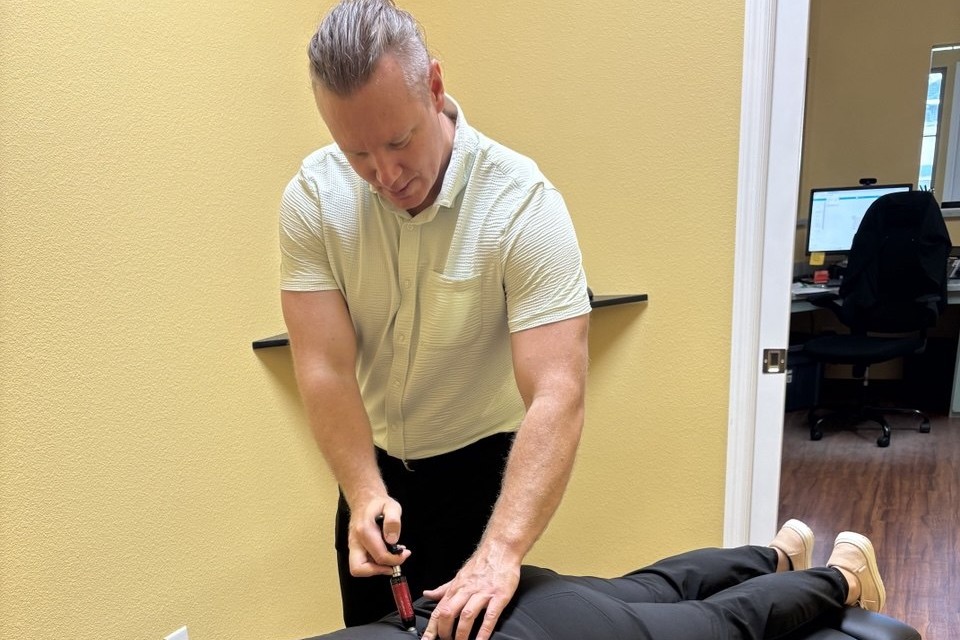
Beverly Brooks is a retired registered nurse and a former nurse case manager for wounded service members.
Dr. Cox speaks to the Embry-Riddle Veterans Affairs Society.
Often from heavy gear or long periods of sitting during service. Adjustments relieve spinal pressure and improve mobility.
From repetitive strain or trauma, such as carrying heavy loads. Adjustments reduce tension and restore cervical spine function.
Stress and muscle tension can present as physical pain. Chiropractic eases the musculoskeletal strain, alongside mental health support rather than instead of it.
Physical demands accelerate joint degeneration. Chiropractic technique improves joint mobility and reduces inflammation.
Nerve compression from spinal injury or overuse causes sciatic pain, or numbness and tingling in the hands and feet. Decompressing the spine relieves the symptom at its source.
A significant number of veterans do parachute work or other activities that load the pelvic joints directly. This disorder goes undiagnosed, or gets misdiagnosed as low back pain, and it leads straight to disability. Other symptoms include incontinence, pelvic pain, inguinal pain, and chronic problems in a hip or sacroiliac joint that is being forced to adapt to a shifted pelvic load.
Combat veterans are exposed to many forms of trauma, including concussive force waves. Joints that most people experience as immovable, including the sutures of the skull, the gomphosis joints of the teeth, and the pubic symphysis, can be and often are moved by these forces. Meniere's disease presents with tinnitus, vertigo and trigeminal neuralgia, often with a swollen mastoid. Upper cervical and occipital technique can relieve these symptoms.
High-stress, physically demanding roles leave soft tissue with adhesions and scarring. That causes painful trigger points, recurring headaches, or a joint that will not move properly even though the nerve supply is intact. Instrument assisted soft tissue technique is built for this.
Reduced chronic pain and better daily comfort. Better mobility to support an active life. Improved posture to counter service-related strain. Less reliance on pain medication and its side effects. Better sleep, through pain and tension relief. Better joint function, which slows arthritis. And broad support for physical and mental recovery.
"Is this going to be too intense for what I did to myself over there?" No. The techniques are gentle and customized to the condition, and they are chosen to work alongside a VA care plan, not against it.
"Does this actually work for complex, long-standing injuries?" The examination comes first and the treatment follows from what it finds. If your problem needs something this office does not do, you get referred.

New patients
Call (386) 868-1471 or book online. Your first visit starts with the exam.
Who we serve
New patients
A first visit includes six diagnostic assessments before anyone adjusts anything.