
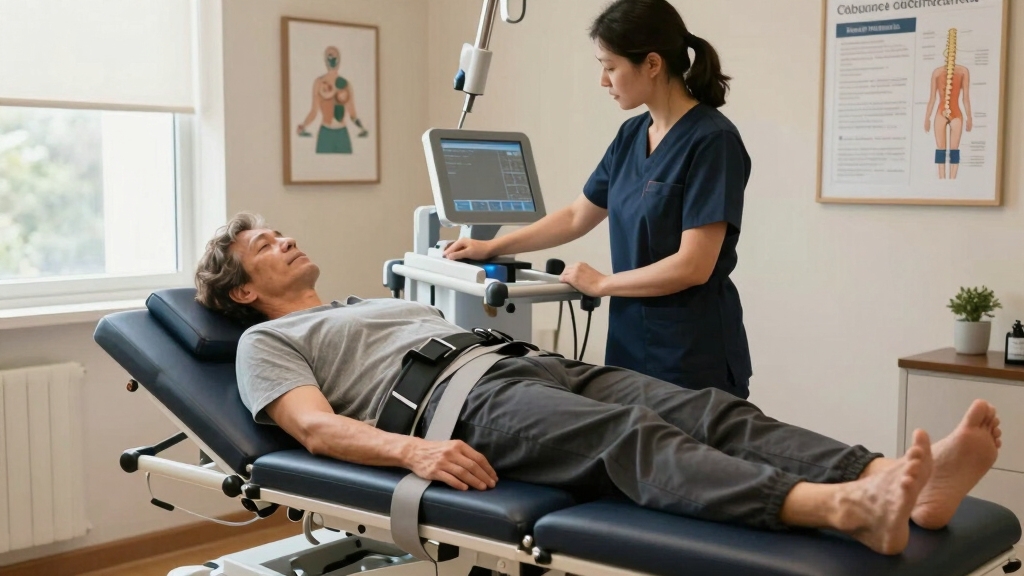
If you’re experiencing chronic back pain, herniated discs, or sciatica, you might be a good candidate for spinal decompression therapy. It’s a non-invasive way to relieve pressure on your spine and improve mobility. You should also consider your overall health, lifestyle choices, and any previous treatments you’ve undergone. However, certain conditions like osteoporosis or tumors may make this therapy unsafe for you. There’s more to explore about this effective treatment option.
Key Takeaways
- Individuals with chronic back pain or discomfort may benefit from spinal decompression therapy.
- Those suffering from herniated discs or sciatica are ideal candidates for this treatment.
- Patients seeking non-surgical alternatives to medication for pain relief can consider spinal decompression.
- Individuals with symptoms like tingling or numbness in limbs may find relief through this therapy.
- A thorough health evaluation is essential to determine candidacy and ensure safety.
What Is Spinal Decompression Therapy?
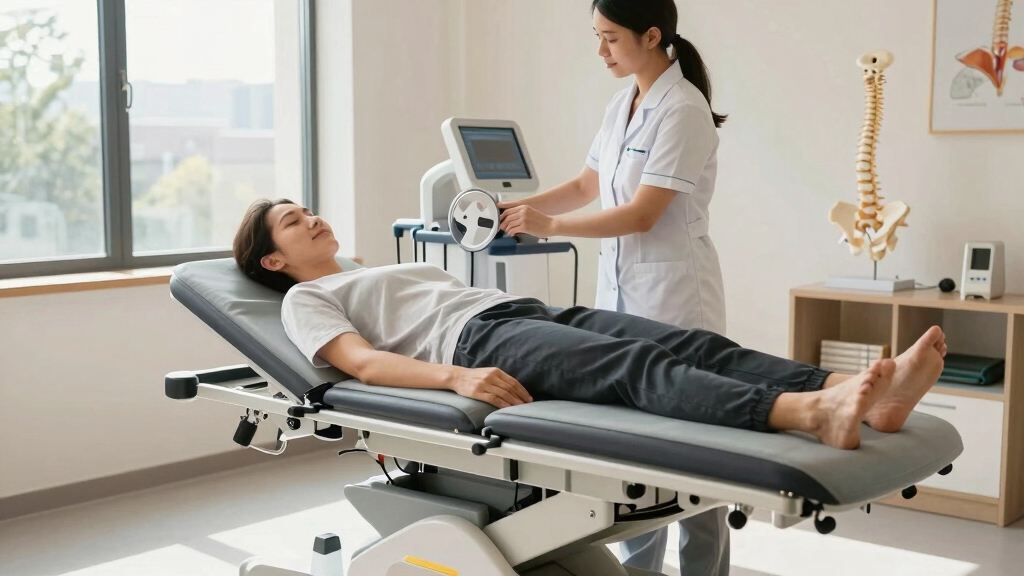
Spinal decompression therapy is a non-invasive treatment designed to relieve pressure on the spine and its surrounding structures. It uses various spinal decompression techniques, such as mechanical traction, to gently stretch the spine, creating space between the discs. This helps reduce pressure on nerves and promotes better blood flow.
The benefits of decompression are significant. Many people experience relief from chronic pain, improved mobility, and a decrease in symptoms associated with conditions like herniated discs or sciatica.
By targeting the root of the problem, spinal decompression therapy can also enhance overall spinal health, making it easier for you to engage in daily activities without discomfort.
If you’re seeking a natural approach to managing back pain, understanding these techniques and their benefits is essential. You’ll find that spinal decompression offers a promising avenue toward a healthier, pain-free life.
Who Can Benefit From Spinal Decompression?
Many individuals struggling with chronic back pain or discomfort can benefit from spinal decompression therapy. If you’ve experienced ongoing pain due to conditions like herniated discs or sciatica, this therapy may be a good option for you.
Spinal decompression works by relieving nerve compression, which can ease your symptoms and improve overall mobility.
Spinal decompression alleviates nerve compression, helping to ease symptoms and enhance mobility.
You might find this treatment particularly helpful if traditional methods—like medication or physical therapy—haven’t provided the relief you need. It’s also suitable for those looking to avoid surgery.
If you often feel tingling or numbness in your legs or arms, spinal decompression could help alleviate those sensations, promoting better nerve function.
Before starting, it’s essential to consult with a healthcare provider to determine if it’s right for you. Understanding your specific situation can help you make an informed decision about your pain management options.
Conditions Treated by Spinal Decompression Therapy
If you’re dealing with conditions like herniated discs, degenerative disc disease, or sciatica, spinal decompression therapy can be an effective treatment option. This therapy aims to relieve chronic pain by gently stretching the spine, which helps to improve spinal alignment and reduce nerve compression.
It’s particularly beneficial for those seeking sciatica relief or recovering from surgery, as it promotes healing without invasive procedures.
In addition to these specific conditions, spinal decompression can support overall wellness. By integrating this therapy with physical therapy and holistic approaches, you’re more likely to achieve lasting results.
This combination not only addresses symptoms but also encourages long-term spinal health. If you’re ready to explore these options, spinal decompression might be the key to regaining your quality of life and reducing discomfort associated with degenerative discs and nerve-related issues.
How to Evaluate Your Health for Spinal Decompression
Before considering spinal decompression therapy, it’s essential to evaluate your overall health to ascertain it’s a suitable option for you. Start with a thorough candidate assessment, which includes discussing your medical history and current symptoms with your healthcare provider. They’ll help identify any underlying conditions that might affect your eligibility for the therapy.
Next, consider your pain levels and how they impact your daily life. If you’ve been struggling with chronic pain or discomfort, it’s important to communicate this clearly.
Additionally, think about your physical activity levels. Certain health considerations, like obesity or osteoporosis, may influence your potential success with spinal decompression.
Lastly, discuss any medications or treatments you’re currently undergoing, as these can affect your candidacy. By taking these steps, you can make an informed decision about whether spinal decompression therapy is right for you.
Lifestyle Factors to Consider for Candidacy
When considering spinal decompression, your lifestyle plays an essential role in determining candidacy.
Evaluating your activity level, pain severity, and health history can help identify if you’re a good fit for the procedure.
Activity Level Assessment
Evaluating your activity level is essential in determining whether you’re a good candidate for spinal decompression. Your exercise frequency and overall mobility play significant roles in your candidacy. Consider how often you engage in physical activity and how well you move. Here’s a quick mobility assessment guide:
| Activity Level | Description | Candidate Suitability |
| Sedentary | Little to no exercise | Lower suitability |
| Lightly Active | Light exercise 1-2 times/week | Moderate suitability |
| Moderately Active | Regular exercise 3-4 times/week | Good suitability |
| Very Active | Frequent exercise 5+ times/week | High suitability |
| Highly Active | Intense daily exercise | Excellent suitability |
Understanding where you stand can help you and your healthcare provider make the best decision for your spinal health.
Pain Severity Evaluation
Evaluating pain severity is essential in determining your candidacy for spinal decompression. You’ll want to assess your pain on a scale from 1 to 10, where 1 is minimal discomfort and 10 is unbearable. This helps provide a clear picture of your experience.
Additionally, consider the duration of your symptoms; have they been persistent for weeks, months, or even years? Longer symptom duration can indicate chronic issues that might benefit from decompression therapy.
It’s important to communicate this information to your healthcare provider, as it can greatly influence the treatment plan. By understanding your pain levels and how long you’ve been suffering, you can better navigate your options for relief and recovery.
Health History Review
Before considering spinal decompression, it’s important to review your health history, as various lifestyle factors can influence your candidacy.
During the patient assessment, your healthcare provider will look into specific health conditions like diabetes, obesity, or previous surgeries that could impact the effectiveness of the treatment.
Regular physical activity and your overall fitness level also play a role; a sedentary lifestyle may complicate recovery.
Additionally, if you smoke or consume alcohol excessively, these habits can hinder healing.
Being open about your lifestyle choices helps your provider better understand your situation.
Evaluating Previous Treatments and Their Outcomes
How can understanding your previous treatments shape your decision about spinal decompression? Evaluating your past therapies and their treatment outcomes is essential.
If you’ve tried physical therapy, chiropractic care, or medication without significant relief, it might indicate that your issue requires a more targeted approach. Reflect on what worked and what didn’t, as this can help you and your healthcare provider determine if spinal decompression is right for you.
Additionally, consider the duration and intensity of your pain. If previous treatments provided only temporary relief, spinal decompression might offer a more lasting solution.
Your willingness to explore new options is also important; being open to different therapies can lead to better outcomes.
Ultimately, your previous experiences can guide your path forward, helping you make an informed decision about whether spinal decompression is the right choice for your specific condition.
When to Avoid Spinal Decompression Therapy?
While spinal decompression therapy can be beneficial for many, there are certain scenarios where it’s best to avoid this treatment. You should reconsider if you’re dealing with any of the following:
- Pregnancy Complications: If you’re pregnant or have complications, spinal decompression can pose risks to you and your baby.
- Acute Injuries: If you’ve recently sustained an acute injury, like a fracture or severe sprain, it’s essential to let your body heal before considering this therapy.
- Certain Medical Conditions: Conditions such as osteoporosis, tumors, or infections in the spine can make spinal decompression unsafe for you.
Always consult with your healthcare provider to determine the safest options for your specific situation. They can guide you through the best course of action for your spinal health.
Alternative Treatments for Spinal Issues
If you’re seeking relief from spinal issues but want to explore options beyond spinal decompression, several alternative treatments may help. Natural remedies, like herbal supplements and anti-inflammatory diets, can support your body’s healing process. Incorporating these into your routine might reduce pain and inflammation effectively.
Chiropractic adjustments are another excellent option. A trained chiropractor can realign your spine, relieving pressure on nerves and improving mobility. Regular adjustments can enhance your overall spinal health.
Additionally, physical therapy can strengthen the muscles around your spine, providing better support and reducing discomfort. Engaging in gentle exercises, like yoga or Pilates, can also enhance flexibility and stability.
Ultimately, exploring these alternatives may lead you to find the relief you’re looking for. Always consult with a healthcare professional to determine which options are best suited for your specific needs.
Frequently Asked Questions
How Long Does Spinal Decompression Therapy Typically Take?
Spinal decompression therapy typically takes about 30 to 45 minutes per session. Your patient experience can vary, but most treatment plans span several weeks, with multiple sessions to achieve ideal results. You’ll feel progress over time.
Is Spinal Decompression Therapy Painful?
Spinal decompression therapy isn’t typically painful; most people find it relaxing. It focuses on pain management and treatment effectiveness, helping alleviate discomfort while promoting healing in your spine. You might actually enjoy the relief it offers.
Can I Drive After a Spinal Decompression Session?
You can usually drive after a spinal decompression session, but consider how you feel. It’s wise to follow your therapist’s post-session advice, ensuring you’re comfortable and alert before getting behind the wheel.
How Soon Can I Return to Normal Activities?
You can usually return to normal activities within a few days, but listen to your body. Follow your recovery timeline and make necessary activity modifications to guarantee a smooth shift back to your routine.
Are There Any Age Restrictions for Spinal Decompression Therapy?
There aren’t strict age limitations for spinal decompression therapy, but your eligibility depends on overall health and specific conditions. Consult your healthcare provider to determine if it’s suitable for you, regardless of age.
Final Thoughts
Spinal decompression therapy can be an effective, non-invasive option for individuals dealing with chronic back pain, disc-related conditions, or nerve compression that hasn’t responded well to other treatments. The key to success is determining whether you are the right candidate—one whose health history, lifestyle, and goals align with what spinal decompression is designed to address. A thorough evaluation is essential to ensure both safety and the best possible outcomes.
At Insight Chiropractic, we take a comprehensive and individualized approach to spinal decompression. Through detailed exams, advanced chiropractic care, and supportive therapy, we determine whether spinal decompression fits into your personalized care plan—or if another solution would better serve your long-term health. From your first initial visit, our focus is on understanding the root cause of your symptoms and guiding you toward sustainable relief and improved function.
If you’re wondering whether spinal decompression is right for you, we invite you to learn more about our patient-centered approach on our Why Us page or meet our experienced providers on Meet the Team. When you’re ready, you can schedule your consultation through our online booking portal and take the next step toward clarity, comfort, and better spinal health with Insight Chiropractic.