

You put your spine at risk every time you slouch or hunch, leading to immediate effects like spinal strain and discomfort. Chronic poor posture can cause disc degeneration and herniation over time. As you continue with these habits, you’re more likely to experience chronic pain and permanent changes to your spinal alignment. You’ll discover more about the damaging effects of poor posture and how to prevent them as you explore this topic further.
Key Takeaways
- Poor posture causes spinal strain and discomfort immediately.
- Chronic poor posture leads to disc degeneration and herniation.
- Slouching causes nerve compression and irritation over time.
- Poor posture reduces spinal flexibility and weakens structure.
- Long-term poor posture increases risk of chronic pain.
The Immediate Effects of Poor Posture

Typically, when you slouch or hunch over, it puts strain on your spine, and you’ll feel it immediately. You’ll experience discomfort and stiffness, which can lead to tension headaches. This is because poor posture compresses your spine, putting pressure on your nerves and blood vessels.
As a result, you’ll likely develop shallow breathing, which can reduce oxygen flow to your brain and other critical organs. You might also feel fatigued and sluggish, as your body works harder to compensate for your poor posture.
Strain on Spinal Muscles and Ligaments
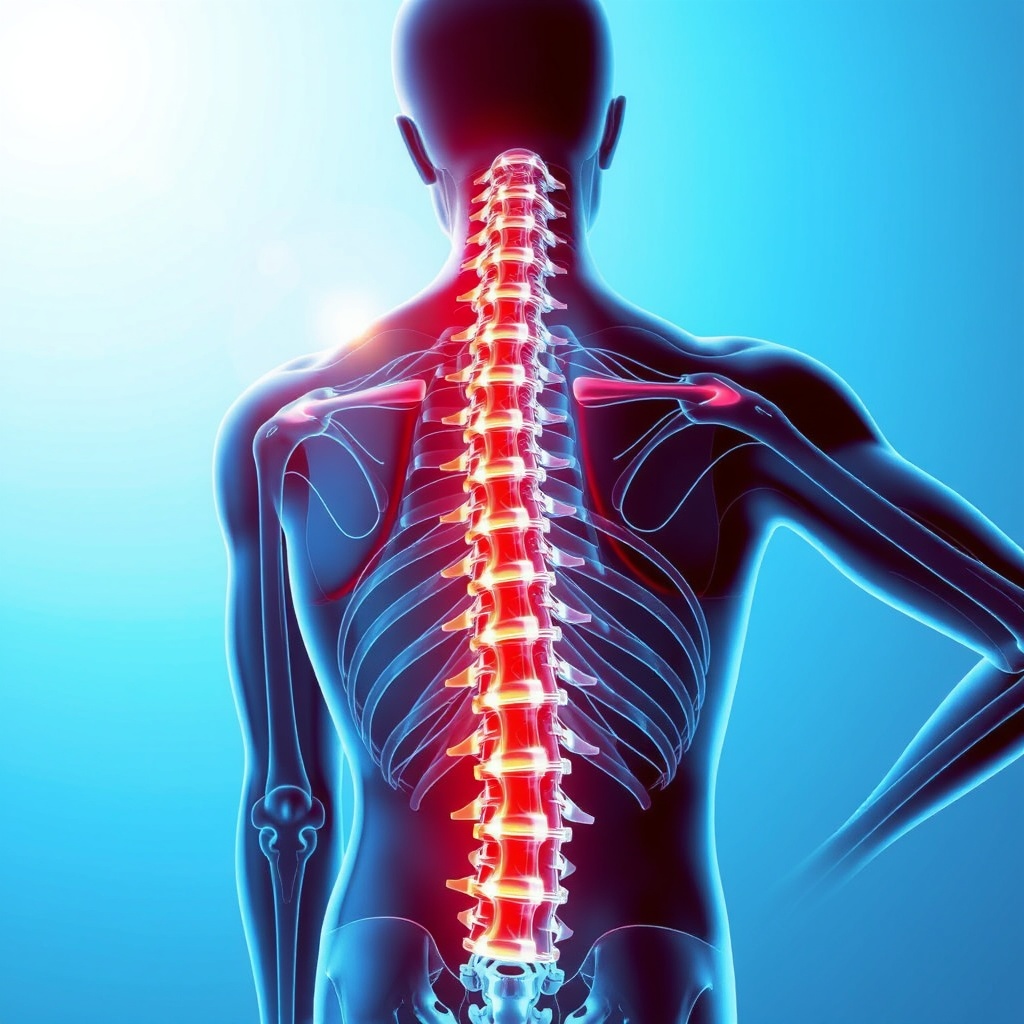
Your poor posture doesn’t just compress your spine and affect your breathing – it also puts a strain on the muscles and ligaments that support it. As you slouch or hunch, you’re overworking these muscles, leading to microtrauma accumulation. This repeated stress causes tiny tears in the tissues, which can lead to inflammation and pain.
Over time, you’ll experience neuromuscular fatigue, where your muscles become weak and tired from the constant strain. You’ll feel stiffness and ache in your back, neck, and shoulders, making everyday activities more difficult.
It’s important to correct your posture to reduce the strain on your spinal muscles and ligaments, preventing long-term damage and promoting overall spinal health. By doing so, you can avoid further complications and maintain a healthy, pain-free back. This requires awareness and conscious effort to change your daily habits.
Disc Degeneration and Herniation
As you continue to neglect your posture, the strain on your spine can lead to disc degeneration, where the soft, gel-like center of your spinal discs starts to dry out and lose its cushioning ability.
Neglecting posture leads to disc degeneration and spinal strain over time.
This can be exacerbated by a genetic predisposition or triggered by biochemical mechanisms.
You may experience:
- Disc bulging or herniation
- Nerve compression or irritation
- Reduced spinal flexibility
- Increased risk of chronic pain
- Weakened spinal structure.
Over time, it can lead to further damage, so it’s essential you take action to improve your posture and reduce the strain on your spine.
Long-Term Consequences of Chronic Slouching
Since you’re likely aware of the immediate effects of poor posture, it’s important to contemplate what happens when chronic slouching becomes a long-term habit.
You’ll start to notice chronic pain in your neck, back, and shoulders, which can substantially impact your daily life.
Chronic slouching can also lead to respiratory dysfunction, as your lungs don’t have enough space to expand fully. This can cause breathing difficulties and reduce your overall oxygen intake.
As you continue to slouch, you’ll put unnecessary strain on your muscles, leading to fatigue and decreased mobility. It’s crucial to address poor posture habits to prevent these long-term consequences and maintain a healthy spine. By taking action now, you can reduce your risk of chronic pain and respiratory issues, and improve your overall well-being. You can make a change to prevent long-term damage.
How Poor Posture Affects Spinal Alignment
As you stand or sit with poor posture, you’re causing spinal misalignment, which can lead to muscle strain and put extra pressure on your discs.
You’re effectively putting your spine in a vulnerable position, making it more prone to injury and discomfort.
Spinal Misalignment
When you slouch or hunch over, your spine doesn’t maintain its natural curve, and this misalignment can lead to serious problems.
You may experience a gait alteration, affecting your overall movement.
Spinal misalignment can also cause facial asymmetry.
Some issues that can arise include:
- Back pain
- Headaches
- Fatigue
- Poor balance
- Reduced mobility, ultimately affecting your daily life and well-being.
Muscle Strain
Poor posture puts a huge strain on your muscles, disrupting your spinal alignment and forcing them to work overtime to compensate for the imbalance. As you slouch or hunch, your muscles undergo a neuromuscular adaptation, changing the way they function to support your poor posture.
This leads to an inflammatory cascade, causing pain and stiffness in your muscles. You’ll feel the effects of muscle strain, making it harder to maintain good posture, and creating a cycle of discomfort and misalignment.
Your muscles will continue to compensate, leading to further strain and potential long-term damage if you don’t correct your posture.
Disc Pressure
Disc pressure increases dramatically when you don’t maintain good posture, forcing your spinal discs to absorb more stress than they’re designed to handle.
This excess pressure can lead to issues with nucleus hydration and exceed pressure thresholds.
Some key factors to take into account include:
- Reduced disc height
- Increased risk of herniation
- Decreased nucleus hydration
- Exceeded pressure thresholds
- Chronic back pain
- You’re more likely to experience discomfort and pain, especially if you don’t take steps to improve your posture and reduce disc pressure.
The Role of Gravity in Spinal Damage
As you go about your daily routine, gravity’s constant pull is likely affecting your spine more than you realize, exerting a force that can lead to long-term damage if you don’t take steps to mitigate it. Your vestibular interaction and orthostatic adaptation play a role in how you respond to gravity.
| Effect | Description |
| Spinal Compression | Gravity compresses your spine |
| Posture Shift | You adapt your posture to gravity |
| Muscle Strain | Gravity causes muscle strain over time |
You can reduce the impact of gravity on your spine by being mindful of your posture and taking regular breaks to stretch and move.
Preventing Spinal Damage Through Posture Correction
You can prevent spinal damage by maintaining correct posture, which involves keeping your spine in alignment.
To achieve this, you’re focusing on developing daily habits that promote good posture, such as standing up straight and sitting with support.
Correct Posture
Maintaining correct posture is essential because it distributes the weight of your body evenly, thereby reducing stress on your spine.
You’ll improve your professional image and social perception by standing tall.
Some benefits of correct posture include:
- Reduces back pain
- Improves breathing
- Enhances balance
- Boosts confidence
- Increases energy
You maintain a healthy spine by making posture correction a habit. It’s vital for your well-being.
Spine Alignment
Because your spine’s natural curvature is sensitive to alignment, correcting your posture is essential for preventing long-term spinal damage. You can’t ignore the importance of maintaining a healthy spine alignment, as it affects your overall well-being.
A radiographic assessment can help identify any misalignments. Additionally, you should be aware of your genetic predisposition to spinal issues, which may increase your risk.
Daily Habits
Correcting your posture through simple daily habits can substantially reduce the risk of spinal damage.
You can start by:
- Monitoring your hydration schedule
- Making wise footwear choices
- Taking breaks to stretch
- Adjusting your workspace
- Practicing good sleeping habits.
By doing so, you’ll be able to prevent strain on your spine and reduce the risk of long-term damage.
You’ll feel better and improve your overall health.
Frequently Asked Questions
Can Yoga Improve Spinal Posture?
You can improve spinal posture with yoga by increasing thoracic mobility and core engagement, it helps you develop stronger back muscles, doesn’t it, and you’ll stand taller, won’t you, over time gradually.
Is Posture Correction Permanent?
You can achieve permanent posture correction by developing muscle memory through consistent practice and maintaining lifestyle adherence, ensuring your new habits stick over time with regular exercise and mindful movements.
Do Pillows Affect Spinal Alignment?
You control spinal alignment with pillows, choosing the right pillow firmness and neck support to maintain a healthy curve, you’re helping your spine, reducing strain, and promoting better sleep.
Can Shoes Cause Back Problems?
You’re likely to develop back problems if your shoes lack arch support or have high heel height, as they can alter your posture and put unnecessary strain on your spine constantly.
Is Slouching Genetic?
You don’t necessarily inherit slouching, but genetic predisposition plays a role, as shown in twin studies, which suggest you may be more prone to poor posture if it runs in your family.
Final Thoughts
Poor posture doesn’t just cause temporary stiffness—it can quietly add stress to your spine day after day, leading to muscle strain, disc pressure, reduced mobility, and long-term alignment changes. The good news is that posture-related damage is often preventable, and many people start feeling improvement once they address the habits and mechanics creating the strain.
If you’ve been dealing with recurring tension, stiffness, or back pain that you suspect is linked to posture, Insight Chiropractic can help you identify what’s driving the problem and build a plan to support healthier movement. Learn what to expect during your nitial visit, explore our approach to chiropractic care and thorough exams, and see how we help restore better function and reinforce supportive daily lifestyle habits.
Ready to take action? Schedule an appointment with Insight Chiropractic or call (386) 868-1471.